Who we make ads for
Six audiences, one method: a written plan for every shot, adjusted to each industry's reviews and placements.
Send a brief- Audiences
- Six industry groups, one production method
- Same for everyone
- A written production plan before production starts
- Changes by industry
- Source files, reviewers, what can be filmed
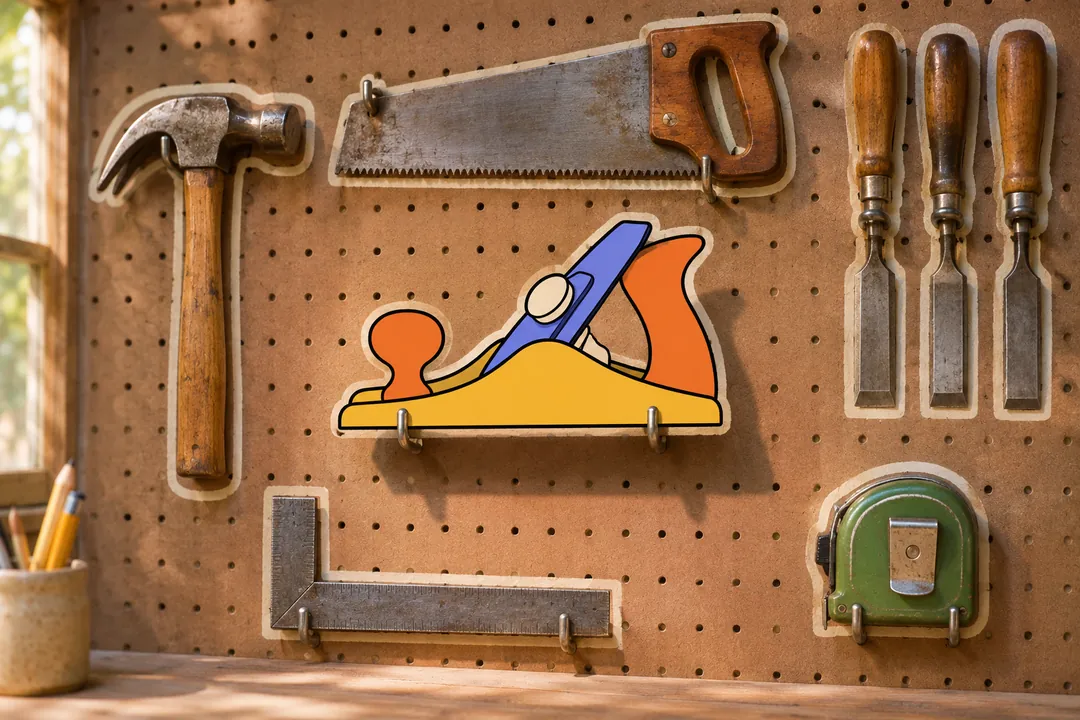
Blendpipe makes advertising campaigns and branded content for six kinds of teams. Each page listed above explains what changes for that audience: the material a plan starts from, who reviews what, and which media usually carry the message. Blendpipe is a new studio, so the pages describe how we plan the work, not past clients.
The six audiences
- Consumer products. Launch spots, renders made before samples exist, and social, retail and DTC cutdowns.
- Technology and SaaS. Explainers, animated interfaces, screen recordings and hardware visualization.
- Outdoor and recreation. Trail and backcountry footage combined with 3D product shots, planned around permits and weather.
- Aerospace and defense. Technical animation, trade-show loops and recruiting content, with your release review in the schedule.
- Healthcare and wellness. Mechanism and how-to-use animation, with claims reviewed by your regulatory and legal team.
- Agencies and in-house teams. Production to an existing script or boards, and new versions of campaigns that are already running.
One method for every industry
Every brief goes through the same seven stages: Brief, Plan, Develop, Make, Finish, Version and Hand over, described on how we work. The first thing you receive is the production plan, before production is committed: the treatment, the blend map (every shot assigned to live action, 2D animation, 3D or an AI-assisted step, with the reason), the deliverable matrix, the schedule with review points and approvers, the rights and usage plan, the AI disclosure plan and a line-item estimate. At the end come the files, the rights sheet and the provenance log, as listed on deliverables.
Why the plan differs by industry
The method stays fixed. What goes into it changes, mostly in four places:
- The source of truth. CAD files for a consumer product, design files for software, released drawings for a spacecraft part, approved instructions for use for a health product. The 3D and animation are built from those, not from guesses.
- The reviewers. A brand’s claims reviewer, a contractor’s public-release reviewers, an agency’s creative director and its client. Each gets a named, dated review point in the schedule.
- What can be filmed. Hardware still in design cannot be filmed at all, and a software screen may change before launch. In Colorado Springs, filming in a city park needs a permit, and drone filming permits for city parks are not currently available. The blend map records why each shot is filmed, drawn or rendered.
- Where it runs. Product pages, LinkedIn feeds, booth screens, CTV. The deliverable matrix lists every placement’s lengths, ratios and languages.
To see a complete plan, read the fictional Orlenna example campaign. To start your own, send a brief.